

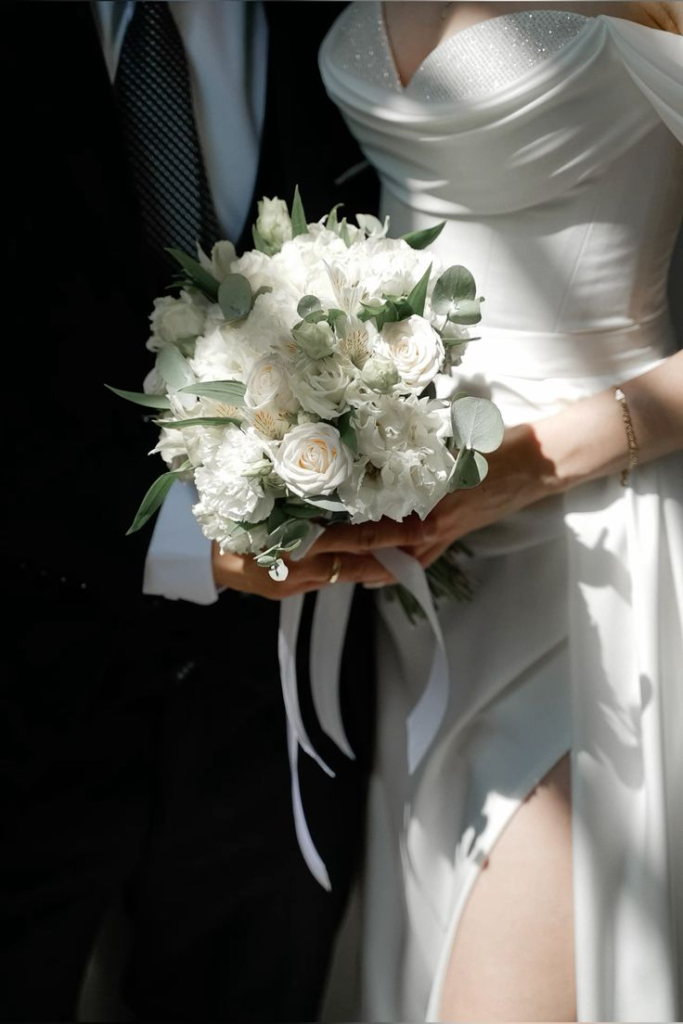
Last November, a bride named Kate walked into my studio. She’d been scrolling Pinterest for six months and fell in love with peonies. Soft, fluffy, romantic peonies in that perfect blush pink. Her wedding was in late November. In our region. Yeah.
“Can I have these?” she asked, showing me a photo of a bouquet that looked like it cost more than my first car.
I took a breath. “Kate, where do you think peonies grow in November?”
She shrugged. “Greenhouses?”
“Sure. In Chile. Or New Zealand. And they’ll cost you about four times the spring price. Plus, they’ll arrive looking like they traveled in someone’s suitcase.”
Her face fell. But here’s the thing — we fixed it. We swapped the peonies for peony-style garden roses, added seasonal anemones and a touch of silver brunia. The bouquet turned out even better. It had character. And she saved forty percent of her flower budget.
To avoid guessing games like Kate’s, you can always click here to order flower delivery from trusted suppliers who know their seasons inside out. But if you want to understand the game yourself, keep reading. I’m a florist with fifteen years in the biz. I’ve done hundreds of weddings — from tiny elopements to massive three-day affairs. And I can tell you this: choosing seasonal flowers isn’t a restriction. It’s a superpower. Let me show you how to use it.
Why Seasonal Flowers Aren’t About Snobbery (They’re About Smart Money)
There’s a weird idea floating around that seasonal flowers are somehow “less than” — like you’re settling. That’s nonsense. In fact, I’d argue the opposite. Choosing what’s naturally in bloom is the smartest decision you can make for your wedding flowers.
Let’s Talk Money First
Here’s some real math. A tulip grown in open fields near Moscow in April costs two to three times less than a Dutch tulip in December. Why? Because December tulips need to be shipped, stored in climate‑controlled warehouses, force‑grown with artificial light — all those costs get passed to you.
Same with peonies. In May, they’re everywhere. Local farms have more than they know what to do with. Prices drop, quality goes up, variety explodes. In November? Only imported from the Southern Hemisphere. And you’re paying for that airplane ticket.
I’ve seen flower budgets slashed by 30–50% just by switching to what grows naturally. That’s not a small number. That’s money for a better photographer, an extra dessert table, or a honeymoon upgrade. Poppy Flowers has a great article on this — they straight‑up say that in‑season flowers save money and improve quality. The Knot agrees, breaking down availability month by month so you know exactly what you’re getting.
Quality and Freshness Aren’t Abstract Concepts
Here’s something my competitors won’t always tell you: imported flowers are tired. Even with the best logistics, they spend days in transit. They’ve been cut, packed, unpacked, repacked, put on trucks, put on planes, taken off planes, put on more trucks. By the time they reach your florist, they’re already on the clock.
A flower that’s been stressed during shipping will open too fast or not at all. Petals drop. Colours fade. Stems go soft.
By contrast, local seasonal flowers were cut that morning. Maybe the day before. They’ve got energy reserves. They stand up straight. They last through dinner, dancing, and the after‑party. Bridal Guide nails this point: fresh, vibrant, and sustainable — that’s what you get when you work with the season.
Sustainability Isn’t Just a Buzzword
I’m not going to get preachy here. But look — if you can avoid flying flowers across the world, why wouldn’t you? Local growers use less water, less energy, fewer chemicals. Your carbon footprint shrinks. And you support actual farmers in your region, not massive international logistics companies. The Kent Wedding Centre mentions this too — supporting local growers means better relationships, better communication, and honestly, better flowers.
Spring Weddings: The Season of Firsts (March, April, May)
Spring is when everything wakes up. The air smells different. And the flowers? They’re eager, fresh, a little unpredictable.
What’s Actually in Season
Let’s start with the heavy hitters:
- Tulips — the workhorse of spring. So many colours, so many shapes. Classic, elegant, surprisingly tough. The Knot calls them “a classic late winter and early‑spring flower” — and they’re right. They bring that refined feel without trying too hard.
- Hyacinths — the scent alone is worth it. Intoxicating. Almost too much, but in a good way. They come in pastel pinks, blues, whites, and deep purples.
- Daffodils — cheerful, bright, affordable. Just don’t mix them with other flowers in the same water — they release a sap that shortens everyone’s vase life. Rookie mistake.
- Anemones — dark centers, delicate petals. They look like little pieces of art. Botanic Possessions lists them among spring favourites, and I couldn’t agree more.
- Peonies — if you’re getting married in May, congratulations. You hit the jackpot. May is peak peony season, and they are lush, fragrant, and full of romance, as Bloom de Fleur puts it. Just be aware that early May is different from late May — you might need to push your date a week or two to catch the best ones.
- Lilac — old‑fashioned but stunning. The scent fills a room. Available in late spring.
- Sweet peas — delicate, curly, pastel. They look like butterflies. The Kent Wedding Centre and For Better For Worse both highlight them.
Spring Pitfalls (Yes, There Are Some)
Frost. I’ve seen late March snow ruin entire crops. If your wedding is early spring, talk to your florist about backup options.
Short windows. Peonies, for example, have a narrow peak. They can go from tight buds to open fluffy balls in two days — and then drop petals the next. Your florist needs to time the purchase perfectly.
Colour surprises. Spring tends toward pastels — soft pinks, lilacs, butter yellows, mint greens. If you want bold, dramatic reds or deep purples, you might need to mix in some summer blooms or use dyed flowers.
My Favourite Spring Palette
Take a cue from Moondance Flower Farm: they split spring into palettes like Soft Romantic (blush, cream, pale pink) and Bold Spring (bright coral, yellow, magenta). For my money, nothing beats a mix of white tulips, blush peonies, and a few dark‑centered anemones — it’s fresh, timeless, and photographs like a dream.
Pro Tip from the Shop
If you’re getting married in April and dying for peonies, ask for ‘Sarah Bernhardt’ — that’s the variety that opens earliest. Or consider using ranunculus as a substitute. They have that same layered, ruffled look and come in almost as many colours. They’re cheaper and last longer. Honestly, I often prefer them.
Summer Weddings: Bold, Bright, and a Little Wild (June, July, August)
Summer is the season of abundance. Everything is in bloom. The challenge isn’t finding flowers — it’s keeping them alive in the heat.
Summer’s Greatest Hits
- Peonies (early summer only — they’re usually gone by mid‑June, so don’t count on them for July).
- Roses — timeless, reliable, available in every colour imaginable. A summer classic, as Bloom de Fleur says.
- Hydrangeas — big, fluffy, dramatic. They drink water like crazy, so keep them hydrated.
- Dahlias — the star of late summer. So many shapes and colours. Poppy Flowers calls them a summer highlight, and I’m with them.
- Zinnias — cheerful, long‑lasting, affordable. Great for filler or full bouquets.
- Lisianthus — looks like a rose but tougher. Elegant and romantic.
- Delphinium — tall, blue, vertical. Adds height and a cool tone.
- Gardenias — intoxicating scent, but fragile. Use sparingly.
- Calla lilies — sleek, modern, dramatic.
- Gerbera daisies — fun, colourful, a bit retro.
The Heat Is the Enemy
Honestly, I’ve seen more summer bouquets wilt than winter ones freeze. Here’s the deal:
Hydration is everything. Ask your florist to keep bouquets in water until the very last minute. Use water tubes on individual stems. And for heaven’s sake, don’t leave them in a hot car.
Choose tough flowers. Roses, zinnias, lisianthus, and dahlias (if kept cool) are fairly resilient. Delicate things like sweet peas or gardenias will melt in 30°C heat. Use them only in air‑conditioned spaces.
Colours pop in summer. You can go bold — hot pink, orange, yellow, deep purple — or keep it soft with whites, creams, and pale pinks. Moondance divides summer into Airy Summer Garden (soft pastels), Refined Neutral (ivory, beige, sage), and Bold Playful (fuchsia, tangerine, lime). I love the bold route for an outdoor garden party.
Summer Budget Hack
Because summer has so much variety, prices are generally lower. You can afford to go bigger — more stems, more installations. But watch out for July 4th weekend or other holidays when demand spikes. Sometimes it’s cheaper to get married on a Tuesday in July than a Saturday in June.
Autumn Weddings: Texture, Warmth, and Surprising Elegance (September, October, November)
Autumn is my personal favourite. I know, I know — everyone loves spring. But autumn has depth. The light is golden, the air is crisp, and the flowers are rich and earthy.
The Autumn All‑Stars
- Dahlias — still going strong in September and early October. Dark burgundy, burnt orange, deep pink.
- Chrysanthemums — the classic autumn flower. Long‑lasting, available in every warm shade.
- Marigolds — bold, sunny, a bit spicy. Great for Mexican‑themed or boho weddings.
- Asters — small, daisy‑like, in purples and pinks.
- Sunflowers — big, cheerful, affordable. They scream autumn.
- Hypericum berries — red or orange berries that add texture.
- Celosia — velvety, flame‑shaped, in deep reds and oranges.
- Amaranthus — trailing, dramatic, like purple cascades.
- Poppies — papery, delicate, in orange and red.
- Gladioli — tall, spiky, dramatic.
What You Can’t Get in Autumn
Poppy Flowers makes a good point: if you want peonies in October, forget it. Or pay through the nose for imports. Same with gardenias, hyacinths, and most spring bulbs. But honestly, you won’t miss them — autumn has its own magic.
Colour Palettes That Work
Moondance splits autumn into Lingering Summer (soft corals, blush, dusty pinks), Bright Harvest (sunflower yellow, pumpkin orange, maroon), and Warm Autumn (terracotta, mustard, bronze, burgundy). I’d add Moody & Deep — think black dahlias, deep purple callas, and dark greenery. It’s stunning for a barn or woodland wedding.
The Texture Trick
Here’s my secret: autumn weddings are perfect for mixing flowers with foliage, grasses, and dried elements. Add eucalyptus, silver brunia, or dried lavender. Throw in some berries and seed heads. It gives your bouquet that wild, foraged look that everyone’s trying to recreate.
Winter Weddings: Elegance, Minimalism, and Festive Sparkle (December, January, February)
Winter gets a bad rap. People think there are no flowers. That’s nonsense. Winter flowers are like diamonds — rare, precious, and unforgettable.
Winter’s Hidden Gems
- Amaryllis — huge, dramatic, trumpet‑shaped. Comes in red, white, and pink. A single amaryllis stem can be a statement.
- Anemones — yes, they bloom again in winter (especially the dark‑centered ones). Available from December through February.
- Hellebores (Christmas roses) — delicate, nodding, in pale greens, whites, and purples. They look like they’re made of porcelain.
- Camellias — waxy, romantic, in pinks and whites.
- Poinsettias — classic Christmas, but use them sparingly — they’re a bit cheesy.
- Amaranthus — still around, adding texture.
- Iris and freesia — early winter varieties exist.
- Waxflower — small, waxy, long‑lasting.
The Cost Factor
Winter flowers are expensive. There’s no way around it — most are grown in heated greenhouses or imported. But you can balance the budget by using lots of greenery — eucalyptus, pine, cedar, ivy, and berried branches. They’re cheap, smell amazing, and look festive.
Colour and Mood
Winter palettes are all about contrast. Pure white with deep red. Silver and icy blue. Or go minimalist — just white roses, eucalyptus, and a few dark anemones. Bridal Guide highlights “elegant resilience” — and that’s exactly the vibe.
A Personal Story
I once did a winter wedding where the bride wanted a lush, summer‑style bouquet. We talked her into a sleek, modern arrangement of white amaryllis, silver brunia, and a single red anemone. She was sceptical until she saw it — then she cried. It was perfect for her minimalist venue and black‑tie dress code. Sometimes less really is more.
What If Your Favourite Flower Is Out of Season?
You’re not alone. This is the number one question I get: “But I must have peonies / gardenias / tulips. What do I do?”
Option 1: Pay the Premium
If you absolutely can’t live without it, you can order imported or greenhouse‑grown. But be ready to pay 3–5 times the in‑season price. And accept that quality might be lower — stems are thinner, petals less robust, colours slightly off.
Option 2: Find a Substitute
Here’s a quick cheat sheet — because Wildly Native Flower Farm gets asked this all the time:
| You Want (Out of Season) | Try This Instead |
| Peonies in autumn/winter | Peony‑style garden roses, ranunculus, or large camellias |
| Tulips in summer | Lisianthus or anemones |
| Hydrangeas in winter | Hydrangea are actually available year‑round, but quality dips — try viburnum or white lilac |
| Gardenias in winter | Tuberose or stephanotis (both have that intoxicating scent) |
That’s your one table for this article — use it wisely.
Option 3: Embrace the Season
Honestly, the best advice I ever got was from an old florist mentor: “Fall in love with what’s here, not what’s in a picture.” The flowers you choose will become part of your wedding story. And there’s something beautiful about telling your guests, “These dahlias are from the farm down the road — they were picked this morning.”
A Step‑by‑Step Checklist for Picking Your Seasonal Wedding Flowers
- Step 1: Lock in your date (or at least the month). Then look at a bloom calendar for your region. The Knot has a great month‑by‑month list, and Poppy Flowers also gives clear seasonal windows.
- Step 2: Go to a local florist — not a big chain. Ask them what they’re excited about that month. They’ll show you samples, tell you about local farms, and give you honest advice.
- Step 3: Set your budget — and tell your florist upfront. They can work wonders with a limited budget if they know what they’re working with.
- Step 4: Pick your colour palette — then ask which seasonal flowers fit that palette. Moondance’s palettes are a great starting point.
- Step 5: Choose a hero flower — the one that anchors everything. Then add supporting flowers and fillers. Keep it to 3–5 varieties maximum, or it gets messy.
- Step 6: Think about logistics — how long will flowers be out of water? Will they be in direct sun? Do you need extra backup bouquets for photos?
Conclusion: Let the Season Surprise You
I’ve done weddings in all four seasons, and I can honestly say the most beautiful ones were the ones that leaned into nature, not against it. The autumn wedding with dahlias and warm berries. The winter wedding with amaryllis and pine. The spring wedding with tulips and hyacinths. The summer wedding with roses and zinnias.
The season knows what it’s doing. Trust it.
And you know what? When you choose seasonal flowers, you’re not just saving money and getting better quality. You’re telling a story about that particular moment in time — the first thaw of spring, the golden light of autumn, the crisp bite of winter.
That’s why I love this job. Every season is a new canvas.
So, what about you? Which flower screams your wedding season? Drop me a comment — I genuinely want to know. And if you’re still stuck, you know where to find me.
FAQ: Quick Answers to Questions I Get Every Week
Q: Can I order flowers a year in advance if I want something exotic?
A: You can, but your florist will give you a “best guess” price and availability. Exotics are unpredictable. I always recommend waiting until 3–4 months out to finalise the order, when we know what the season looks like.
Q: Which flowers last the longest in a vase?
A: Chrysanthemums, carnations, and lisianthus are tanks — they can go 7–10 days. Roses and hydrangeas are more fragile — 3–5 days if you’re lucky. For a week‑long wedding event, lean toward the tough ones.
Q: What if my favourite colour isn’t available in season?
A: You can always dye or tint flowers (it’s common for roses and carnations). Or you can mix in dried flowers, ribbons, or even paper flowers to add that colour. But honestly, the natural seasonal palette is usually more harmonious — and more memorable.
Q: How far in advance should I book my florist?
A: Six months is ideal, especially for peak seasons (May–June and September–October). Your florist needs to order from farms early. But if you’re flexible, you can find someone even a month out — just be prepared to go with whatever’s blooming.
Q: Do I have to use only seasonal flowers? Can I mix in a couple of imports?
A: Absolutely. Many brides do a mix — for example, seasonal hydrangeas plus a few imported peonies as accents. It’s a good compromise. Just be transparent with your florist about your priorities (budget vs. specific blooms).