

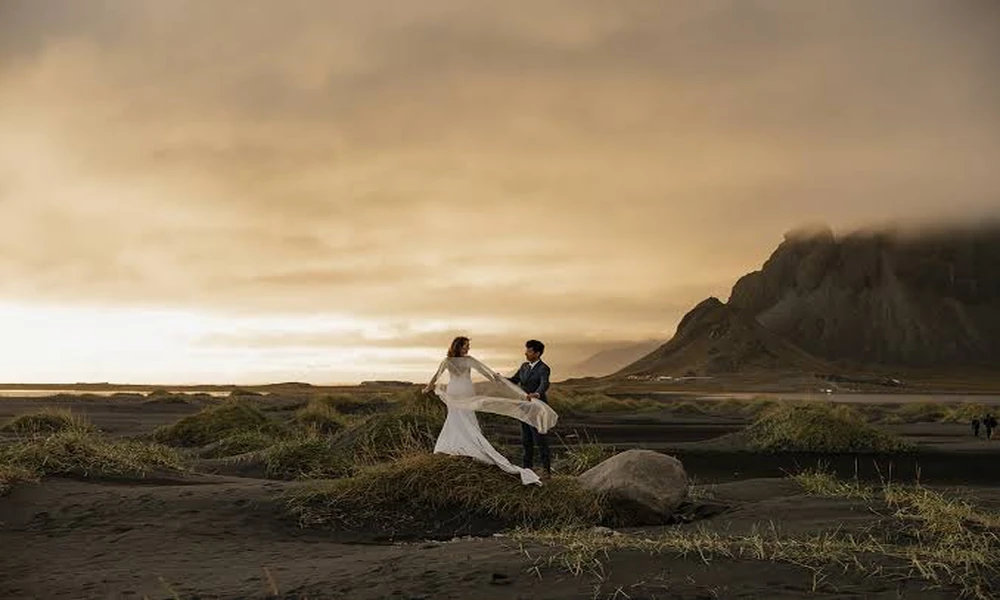
Picture this: you’re standing on volcanic black sand, the roar of the Atlantic crashing behind you, while mist from a towering cascade drifts across your face. This isn’t a scene from a fantasy film-it’s your wedding day in one of Earth’s most breathtaking landscapes. Trading traditional venue bookings and seating charts for raw natural beauty and intimate adventure has never felt more appealing, and this Nordic island nation delivers exactly that experience. If you’ve been dreaming of exchanging vows surrounded by glaciers, geothermal springs, and endless horizons, you’re in the right place. Let me walk you through everything you need to know to transform that vision into reality, from navigating paperwork to choosing the perfect season and discovering hidden ceremony spots that will take your breath away.
Understanding Why This Destination Works So Well
What makes this particular location stand out among all the stunning places couples could choose? The answer lies in its remarkable accessibility combined with otherworldly scenery. Unlike many foreign destinations that bury you in bureaucratic red tape, getting legally married here as an international couple is surprisingly straightforward. There’s no residency requirement whatsoever-you simply need to be legally present in the country on your ceremony date. The civil marriage fee hovers around a modest 11,000 ISK (roughly $80 USD), making the legal aspect one of the most affordable parts of your entire journey. Beyond the practical advantages, the landscape itself offers unparalleled variety within relatively compact distances. Within a single day’s drive, you can transition from moss-covered lava fields to glacial lagoons dotted with floating icebergs, from dramatic coastal cliffs to hidden canyon waterfalls. This diversity means your wedding album will showcase an incredible range of backdrops without requiring weeks of travel. The infrastructure supports adventure seekers beautifully, with well-maintained roads circling the entire island and countless accommodation options ranging from boutique design hotels to secluded glass cabins where you can watch the aurora dance overhead from your bed. Perhaps most importantly, the culture here respects both nature and privacy, creating an environment where your intimate celebration feels genuinely special rather than like just another tourist attraction.
Selecting Your Ideal Season
Timing shapes every aspect of your experience, from the light quality in your photographs to which locations you can actually access. Each season brings its own magic and challenges, so understanding what to expect helps you make an informed choice. During late spring months of April and May, the landscape awakens from winter’s grip. Waterfalls swell with glacial meltwater, creating thunderous displays of nature’s power. The daylight hours stretch noticeably longer each week, and you’ll catch the Atlantic puffins returning to their coastal nesting sites. Tourist crowds haven’t yet reached their summer peak, giving you more breathing room at popular spots. The tradeoff? Weather remains wildly unpredictable-you might experience brilliant sunshine one moment and sudden snow squalls the next. The remote Highland interior roads stay closed during this period, so your route will focus on coastal areas and accessible valleys. Summer, spanning June through August, represents peak adventure season. The legendary midnight sun phenomenon bathes the landscape in golden light for hours on end, allowing you to schedule your ceremony at 11 PM and still enjoy perfect natural illumination. Highland F-roads finally open, granting access to geothermal wonderlands and multicolored rhyolite mountains that glow in shades of copper and cream. The extended daylight means you can pack multiple locations into a single day without feeling rushed. However, everyone else knows summer is spectacular too, so iconic waterfalls and black sand beaches see heavy foot traffic during midday hours. Booking accommodations, rental vehicles, and vendors well in advance becomes absolutely essential. Autumn arrives in September and October with pure cinematic moodiness. The vegetation shifts to rich golden and copper tones, mountain peaks receive their first dustings of fresh snow, and the tourist wave recedes significantly. True darkness returns to the night sky, bringing the Northern Lights back into play. This season offers incredible privacy for your vow exchange and creates that perfect “fire and ice” visual contrast. You’ll definitely face intense wind, rain, or early winter flurries, so packing substantial layers and maintaining flexibility in your timeline becomes crucial. Winter, from November through March, transforms the landscape into a high-budget fantasy setting. Towering peaks disappear under heavy snow, waterfalls freeze into massive walls of blue ice, and an incredible quiet settles over everything. This is your absolute best window for exploring glowing natural ice caves deep inside glaciers and saying your vows beneath dancing green auroras. The challenges? Daylight shrinks to just four or five hours in deep winter, the Highland interior closes completely, and winter storms can alter road trip plans instantly. If you embrace crisp air, luxury glass lodges, and dramatic unpredictability, a winter ceremony becomes completely unforgettable.
Navigating the Legal Requirements
You have two clean pathways for making your union official. The first option involves marrying legally within the country itself. You’ll need to submit digital scans of specific documents-both birth certificates, a certificate of marital status issued within four weeks of your ceremony date, and a marriage notification confirming no legal impediments exist. These materials must reach the District Commissioner approximately two weeks before your wedding day. The physical original documents need to arrive at the registry office in Reykjavík no later than five days prior to your ceremony. You’ll also need an officiant and two witnesses present. Your international marriage certificate arrives a couple weeks after the ceremony, recognized worldwide. The second option, which many couples prefer, keeps things remarkably stress-free. Handle the legal paperwork quietly at your local courthouse back home, then have your real ceremony here with zero bureaucracy involved. This approach means you can read your handwritten vows anywhere in nature without needing official witnesses or worrying about document deadlines. If your photographer happens to be ordained (many adventure photographers are), they can perform your symbolic ceremony and capture it simultaneously, eliminating the need to hire and coordinate a separate officiant. This route lets you focus entirely on the emotional weight of your promises to each other rather than administrative details.
Budgeting Realistically for the Experience
Let’s talk numbers honestly, because understanding the full financial picture helps you plan appropriately. Most couples investing in this type of celebration spend between $8,000 and $15,000 total, though that range can extend higher depending on your choices. Breaking this down into categories helps clarify where the money goes. Travel costs include flights, which run approximately $220-$550 per person from Europe or $550-$1,300 from North America. A reliable rental vehicle costs about $85-$215 daily depending on size and features-and you genuinely need a 4WD or at least AWD for safety and access. Fuel moves quickly here, budgeting around $1.80 per liter keeps you covered. Accommodation varies widely: budget-friendly guesthouses start around $150 nightly, mid-range boutique hotels run $300+, and luxury properties with floor-to-ceiling windows overlooking lava fields command $700+ per night. If you’re camping or using camper van sites, expect $20-$45 nightly. Groceries for a few days cost roughly $55-$110, while dining out runs $22-$45 per meal per person at casual spots. Your photography investment typically ranges from $4,000-$10,000+ depending on coverage hours, experience level, whether planning assistance is included, and travel coverage. Floral design for a beautiful bouquet and boutonniere starts around $250+. Hair and makeup services for on-location preparation run $550+. If you want an officiant or celebrant for a legal ceremony, budget $550-$1,100. Optional add-ons that elevate the experience include glacier hikes ($160-$270 per person), ice cave tours ($160-$220 per person), private helicopter excursions ($1,200-$8,500 per person depending on duration), videography ($3,300-$6,600), and elopement planning services ($1,200-$5,000) if you want someone handling all logistics. Remember that this represents an investment in an unforgettable experience for the two people who matter most during this celebration, rather than funding a massive venue rental and feeding a hundred acquaintances you barely know.
Choosing Breathtaking Ceremony Locations
The landscape offers such incredible variety that selecting your ceremony spot becomes a delightful challenge. Let me share some of the most stunning options and what makes each special. The South Coast delivers iconic imagery with its waterfalls and volcanic beaches. Reynisfjara Black Sand Beach near Vík features towering basalt columns and jagged sea stacks cutting through the horizon, creating a moody, cinematic backdrop. The Atlantic waves here are ferocious and unpredictable, so working with someone who knows safe entry points away from the main tourist zones becomes essential. Skógafoss presents a massive 200-foot curtain of water that kicks up vibrant rainbows on sunny days. Because it requires zero hiking and sits right off the main Ring Road, tour buses flock here during midday. Leveraging summer midnight sun or shoulder-season sunrise ensures you actually get privacy. Nearby Seljalandsfoss allows you to walk entirely behind the cascading water for a 360-degree nature experience, though you’ll get absolutely soaked by the mist. A short walk into the mossy cliff reveals Gljúfrabúi, a hidden waterfall tucked inside a secret canyon that feels infinitely more private and magical. Jökulsárlón Glacier Lagoon and Diamond Beach showcase massive glowing blue chunks of ancient ice drifting quietly toward the sea. Just across the road, these ice sculptures wash up onto stark black sand like sparkling gems. Whether you’re catching soft pink sunset light in summer or hoping the Northern Lights dance above the ice in winter, this spot delivers pure magic. It’s a long drive from the capital, making it perfect for multi-day road trip celebrations rather than rushed single-day timelines. The Snæfellsnes Peninsula earns its nickname “Iceland in Miniature” by packing a sample platter of the country’s greatest landscapes into one dramatic loop. You’ll find the iconic cone-shaped peak of Kirkjufell, vast fields of jagged lava rock, sheer sea cliffs, and the stark beautiful contrast of Búðakirkja black church. Because it offers variety without requiring massive cross-country drives, it works beautifully for single-day timelines and tends to feel less congested than South Coast waterfalls. Landmannalaugar and the Highlands represent the ultimate playground for true adventure seekers. This geothermal wonderland features multicolored rhyolite mountains glowing in copper, green, and cream shades, plus completely natural wild hot springs for post-ceremony soaking. The catch? This area is entirely inaccessible most of the year. Mountain F-roads only unlock during peak summer months (typically late June through September) and strictly require high-clearance 4×4 vehicles with experienced drivers. If you want to feel like the last two humans on Earth, this is where you go. Þingvellir National Park offers immense historical richness and staggering geological beauty. This UNESCO World Heritage site is one of the only places on Earth where you can visibly see the North American and Eurasian tectonic plates pulling apart. Saying your vows inside the dramatic Almannagjá gorge means literally standing between two continents. As a protected national park, strict regulations apply to commercial photography and drone usage, so securing proper permits well in advance becomes necessary.
Mastering Transportation and Logistics
Your rental vehicle literally becomes your lifeline to adventure since trains don’t exist here. During summer months, renting is straightforward-just make sure to request automatic transmission if you need it. Winter driving demands more preparation. Rental companies install winter tires from October through April, but you should still rent a 4WD or at minimum AWD for safety. Even in summer, a 4×4 opens access to certain F-roads that regular vehicles can’t legally travel. Most F-roads require heavy-duty 4WD, though the F35 represents an exception-it’s a major unsealed tourist road that’s well-maintained enough that insurance companies will cover it with a regular 4×4. If you rent a camper van or rooftop tent, exercise extreme caution during windy conditions. Taller vehicles are more likely to tip over, and tents can literally rip off in severe cases, especially along the north coast. Extreme weather causes road closures, so monitoring current conditions becomes essential. Download the Waze app for driving directions-it alerts you to hidden speed cameras along the route. For data connectivity, e-SIM services from companies like RedteaGo cost significantly less than international roaming. Building a flexible timeline is absolutely crucial because weather will throw fits here. The only question is whether your photographer or planner has backup locations ready and whether you ever need to know they got used. Having Plan B and Plan C options means a rogue wave closing your sunrise beach at 5 AM doesn’t derail your entire day-it just becomes a seamless pivot to an equally stunning alternative location.
Packing Appropriately for the Elements
The environment demands practical attire that can handle whatever nature decides to throw at you. For your ceremony outfit, choose a lightweight dress or suit you can easily move, hike, or climb in. Avoid long heavy trains that collect mud and restrict movement. Wear fleece-lined leggings, thermal undershirts, and nude-colored wool tights beneath your wedding clothes for warmth. Ditch the heels entirely-sturdy waterproof insulated hiking boots are essential. You can always pack a change of shoes if desired, but rugged boots look incredible in adventure photos and keep you safe on uneven terrain. Bring a stylish statement coat or windbreaker for warmth between shots. For the broader trip, pack a backpack suitable for day hikes, a warm rain and snow-proof jacket (Triclimate jackets by brands like NorthFace or Arc’Teryx work beautifully because they have layers and are warm yet lightweight), long-sleeved warm shirts, lined pants (even in summer, nights get fairly cool), extra warm socks (enough pairs to always have dry ones available), warm pajamas if you sleep in any, gloves or mitts, and a water bottle since clean water is available basically everywhere. Don’t forget vow books if you want fancy books instead of your phone in photos, and tights to wear under your dress or suit pants especially in winter. Umbrellas are completely useless here due to the wind, so don’t bother bringing one. Your photographer or planner should provide a detailed packing list tailored to your specific season and planned activities.
Understanding What to Avoid
Certain mistakes can significantly diminish your experience, so learning from others’ missteps helps you sidestep problems. First, don’t underestimate the wind. It doesn’t just ruin hairstyles-it can genuinely alter plans. Opening a car door facing the wrong direction in high winds can rip it right off its hinges. Your veil can fly into the Atlantic before you finish your vows. Treating wind like a minor inconvenience rather than checking weather warnings leads to real problems. Second, timing matters enormously. Those stunning photos of famous waterfalls and black sand beaches that look like the couple is alone on Earth? They were taken at carefully chosen times to avoid the tour buses full of people who descend during peak hours. Working with a photographer who knows how to avoid crowds makes the difference between sharing your vows with strangers and having genuine privacy. Third, don’t under-dress for the cold. People consistently underestimate how chilly mornings and evenings get, even in July and August. Bring photo-approved jackets and layer appropriately. Fourth, always have backup plans. A little rain can actually create beautiful atmospheric photos, but total downpours or storms become daunting to shoot in. Make sure your photographer is open to changing dates or has alternative locations ready if necessary. Fifth, don’t assume you can go anywhere and do anything for photos. Many images circulating on social media were taken years ago when access was unrestricted, or they show people going places they’re not supposed to go. Things like confetti, smoke bombs, and balloons are polluting-follow Leave No Trace principles. When there’s a designated path, stay on it. Plant life takes forever to grow back here, so leaving it untouched matters. Respect fences and boundaries, and understand that protected sites require proper permits for commercial photography.
Securing the Right Photographer
This decision shapes your entire experience more than almost any other choice. You’re traveling potentially halfway across the world to celebrate in this wildly beautiful landscape, so working with someone you trust to do justice in capturing you here is absolutely essential. Look for photographers who live here or return regularly, because they know the island inside and out. They understand which locations work best at different times of day, where to find hidden gems away from tour buses, how to navigate changing weather safely, and which spots require permits. Many adventure photographers also offer planning assistance, helping you design your timeline, secure necessary permits, coordinate with other vendors, and build backup options for weather contingencies. Some are even ordained and can perform your symbolic ceremony while photographing it, eliminating the need for a separate officiant. When evaluating photographers, look at full galleries rather than just highlight reels. Pay attention to how they capture emotion and movement, not just pretty landscapes. Read reviews from past couples to understand their working style and reliability. Discuss your vision openly and make sure they understand what matters most to you. Ask about their experience with the specific season and locations you’re considering. Understand what’s included in their packages-coverage hours, planning assistance, travel costs, image delivery timeline, and print options. Book early, because the best photographers fill their calendars sometimes more than a year in advance. Your photographer becomes your guide, your support system, and your creative partner throughout this adventure, so choosing someone whose work and personality resonate with you makes all the difference.
Crafting Your Perfect Day Timeline
Let me paint a picture of how an intentional, unhurried celebration might flow during summer’s midnight sun. You wake slowly at your secluded cabin around 2 PM, brew fresh coffee, and make a leisurely breakfast. Getting ready happens at your own pace, with hair and makeup artists arriving to help you prepare. Around 4:30 PM, you have your first look outside the cabin, surrounded by vast open fields of lupines and distant volcanic ridges. By 5:30 PM, you load up the 4×4 with warm layers, extra dry socks, and hit the open road. As you drive, you spot a beautiful landscape that makes you stop spontaneously. A light hike inward leads to a quiet misty ledge for your intimate private vow exchange around 6:30 PM. At 8:30 PM, you enjoy a relaxed tailgate dinner on the back of the truck, sharing a local meal and warm tea while watching the sun begin its long slow dip toward the horizon. By 10 PM, you head to black sand beaches or a normally popular waterfall that’s now empty of tourists. The light turns incredible glowing pink and orange, and you shoot stunning expansive portraits across the empty shore. At midnight, you pop celebratory champagne under a sky that never truly gets dark, toast to your incredible decision, and head back to the cabin for a hot tub soak. This flexible approach lets you chase the best light and weather while avoiding crowds entirely. Winter timelines compress due to limited daylight but can incorporate ice cave exploration and aurora hunting. Your Iceland wedding photographer or planner helps design a flow that matches your energy level, desired activities, and seasonal realities.
Making It Uniquely Yours
Your celebration shouldn’t just be a photoshoot-it should be an adventure you’ll talk about for decades. Consider incorporating activities that elevate the experience beyond just ceremony and portraits. A private helicopter excursion lets you fly over active volcanic areas and land directly on top of a remote untouched glacier tongue for an hour of complete isolated quiet. Glacier kayaking puts you among massive icebergs in a quiet lagoon. Ice caving with crampons lets you explore neon-blue interiors of subterranean formations. Geothermal soaking at Sky Lagoon or tracking down a completely wild natural hot river in Reykjadalur valley provides perfect relaxation. A mid-shoot cafe run into Reykjavík or a small coastal village for hot matcha lattes, fresh local bakes, and a casual stroll down colorful streets gives you time to reflect on the magic. Think about what activities genuinely excite both of you rather than just checking boxes on a tourist list. Your celebration should feel authentic to your relationship and respect the wild beauty of the environment. Whether that means a steep mountain ridge hike, a quiet moment next to an unmapped glacial stream, or chasing elements in a campervan, your layout should be entirely custom rather than following a cookie-cutter template.
Ready to start planning your own unforgettable adventure? The landscapes are waiting, the light is calling, and your story deserves to be told in one of Earth’s most magnificent settings. Let’s make it happen together.